Led brand identity, UX and design system for a mobile-first digital bank from zero in eight weeks. Visual language, typography, colour system and product expression. Onboarding completion, transaction success and error reduction were the benchmarks. The MVP generated 20+ new leads in the APAC region.
Agency engagement delivering the full redesign of Mazda's next-generation in-car navigation system. A B2C product now live in millions of vehicles worldwide. Validated with eye-tracking in a driving simulator, measuring task completion time, error rate and cognitive load at speed. 20% reduction in driver distraction.

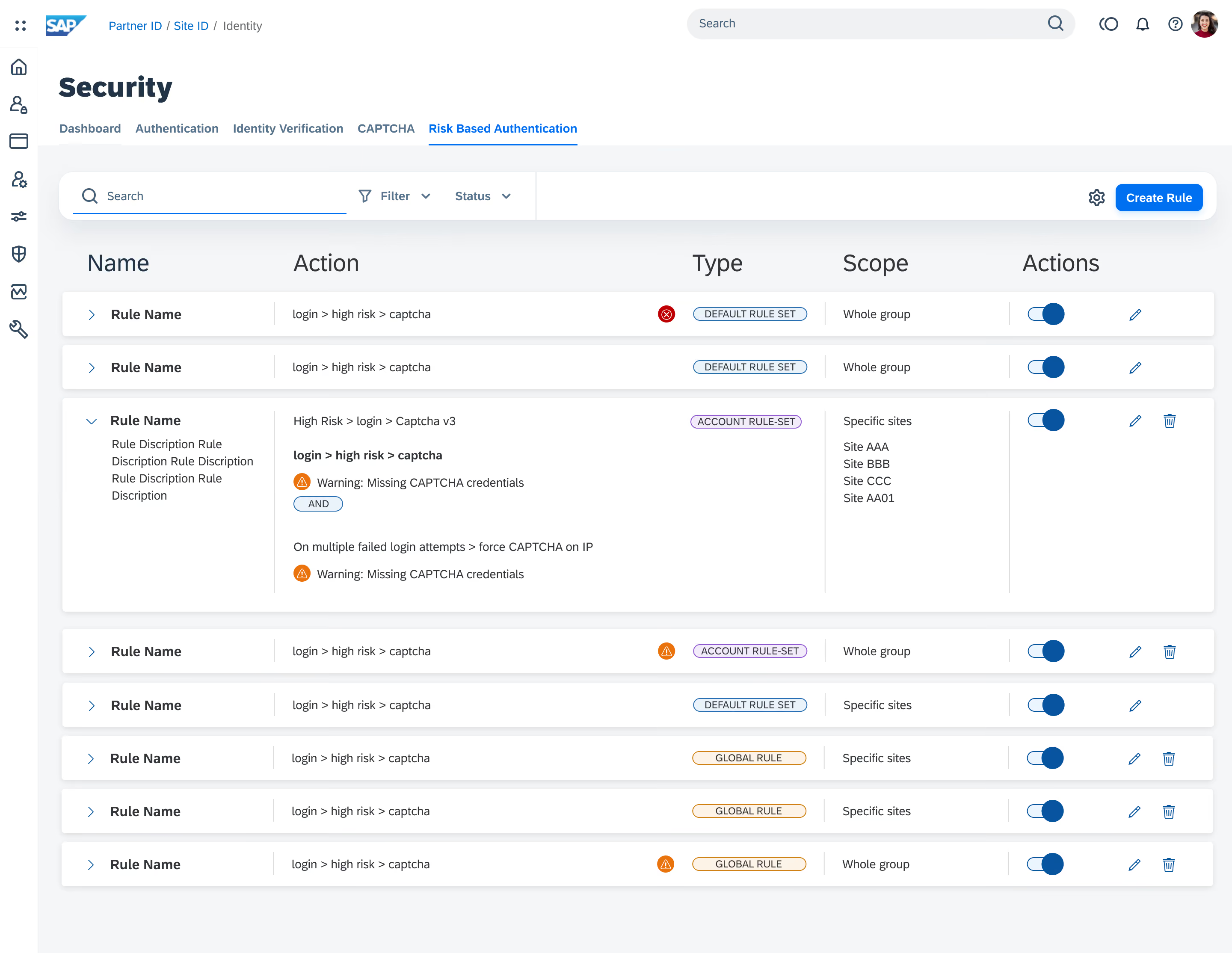
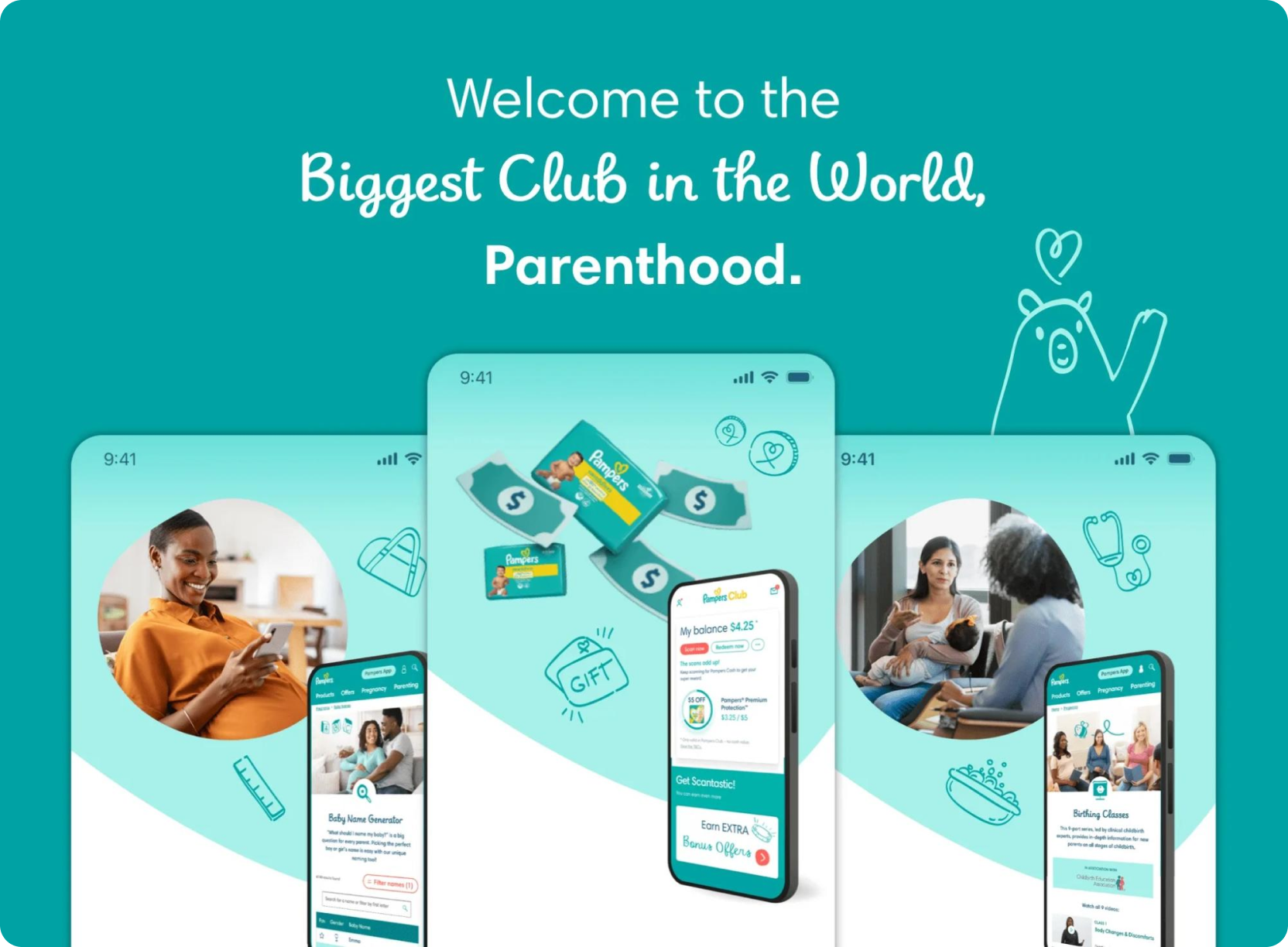
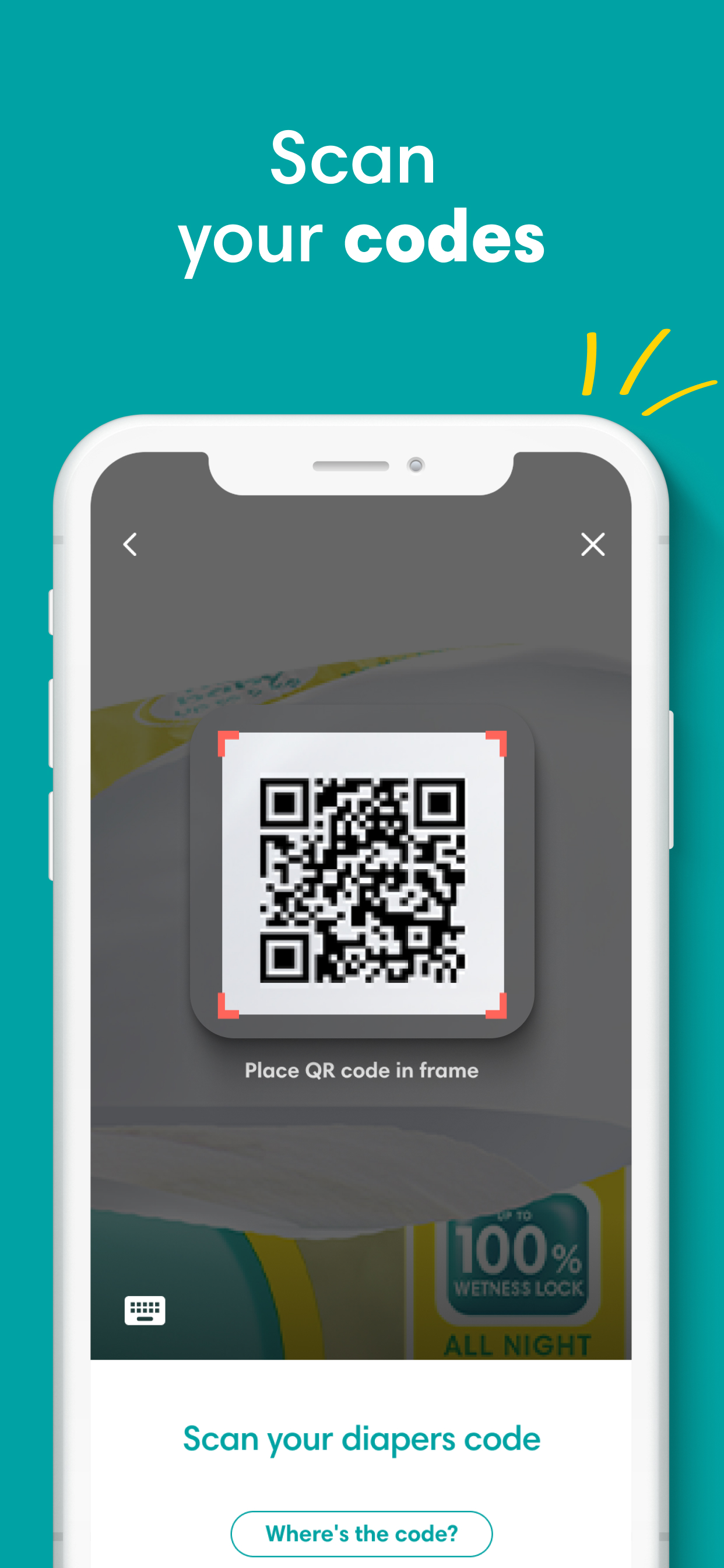
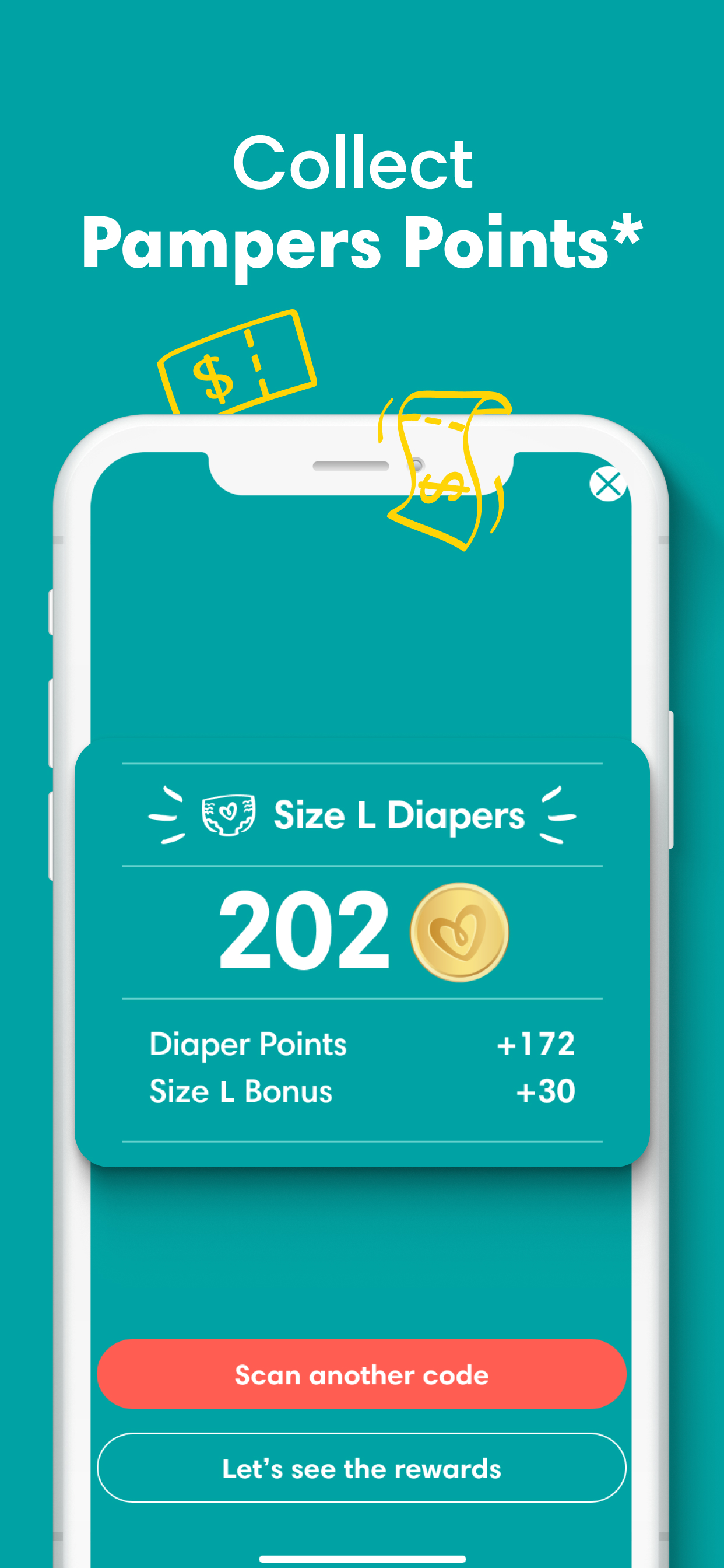

Agency engagement leading the full tenant experience for a live smart residential complex in Tokyo. Discovery through delivery, service mapping, IoT integrations, multiple vendors, distributed teams. A coherent B2C end-to-end experience with 86% user satisfaction across mobile, tablet and web.
I don't lead from a distance. I set the bar through hands-on work. Reviewing prototypes, running crits, getting into Figma while keeping one eye on where the business needs to go. I raise quality without slowing teams down, create clarity in ambiguous situations, and care about the metrics that matter: conversion, retention, adoption, delivery speed and design debt. The work and the outcome are never separate.
From a two-person startup to a fefteen+ person design and research organisation at global enterprise scale, including senior designers, UX leads and researchers reporting through multiple levels. B2B enterprise, B2C consumer products and agency work across automotive, fintech, IoT and mobile in between. I've built first design functions from nothing, introduced research and discovery practices, and moved design upstream into product strategy. I measure progress in delivery velocity, design maturity and business impact. Not just output.
Fifteen years of building strong Product and Engineering partnerships, because design that's built in isolation rarely works. I move design upstream into strategy, connect decisions to measurable outcomes. Adoption up, rework down, delivery faster and make sure brand and product feel like they come from the same place.

Both, and knowing when to be which is the job. Some weeks that's running crits, reviewing prototypes and getting deep into the Figma files. Others it's shaping roadmap direction, aligning stakeholders or presenting to leadership.
From a two-person team with no process to fifteen+ designers, researchers and UX leads across three global enterprise products. Managing managers as well as individual contributors. I've built design and research capability from scratch, coached and developed senior design leads, and partnered with VP and C-level stakeholders across product, engineering, sales and marketing. Every setup, every stage.
As partners. I involve product, engineering, marketing and sales early. In discovery, in decisions, in the work itself. That means engineers shaping design through constraints, product aligned before wireframes exist, and fewer surprises at handover. Less rework. Faster delivery. Decisions that stick.
I've led design across SaaS, fintech, enterprise software and digital products at every stage. Agency work across automotive, consumer, IoT and financial services has meant moving fast between industries and clients throughout my career. I need to understand your users, your constraints and your business goals. That happens fast, regardless of the domain.
I start with people, then product, then business. I want to understand the team, map where design has influence and where it doesn't, and identify what metrics the business actually cares about. Adoption, retention, NPS, task completion, rework reduction, delivery speed. The first 30 days are about diagnosing before prescribing. I won't arrive with a plan. I'll arrive with the right questions.
AI is not another UI pattern. It's a new way for products to work.
I focus on where AI can genuinely simplify a user's workflow, while designing for trust, transparency and control. The goal isn't to add AI everywhere, but to make products capable of doing more for people. At the same time, AI gives design teams enormous leverage in exploration, prototyping and iteration. It accelerates the work, but judgment, empathy and a high quality bar remain human responsibilities.
As two expressions of the same thing. A product that works but doesn't feel coherent erodes trust. A brand that looks beautiful but doesn't translate into the product experience is decoration. The most interesting work lives at the intersection, where the visual language, the interaction patterns and the business logic all reinforce each other. That's the standard I hold.
A non-negotiable, not an afterthought. I build accessibility into the process from the start. WCAG 2.1 and 2.2, keyboard navigation, screen reader compatibility, contrast systems. Not as a retrofit at the end. Enterprise products operate under real compliance constraints. I've worked inside them. I treat accessibility as a business requirement, not a design principle.
"Richard always brought the most creative and well-considered ideas to complex problems and his greatest skill was inspiring his team to do the same. The most dedicated, motivated design team I've worked with, and it was entirely down to his leadership."

"Richard understands the business side of design in a way most design leaders simply don't. He built the structure that finally made design visible in the decisions that mattered. He fixed something I didn't even know how to name."
"Richard gives clear, solid design direction and trusts his team to execute it without micromanaging. His integrity and ability to empower others created an environment where people could do their best work and the design quality reflected that."
"Richard leads with calm confidence. Steady support, clear direction and real trust in the people. That trust creates the kind of space where ideas grow and good design actually happens."